Ensure Code Compliance and Home Safety With Electrical Services
Electrical systems support nearly every function in a modern home, from lighting and climate control to data wiring and EV charging stations. When these systems are not installed or maintained properly, safety risks can escalate quickly, leading to electrical failures, property damage, or fire hazards. Code compliance plays a vital role in reducing these risks while supporting long-term performance and reliability. Professional electrical services help ensure systems meet required standards while supporting residential, commercial, and industrial needs, setting the foundation for the critical safety considerations discussed below.
Learning How Electrical Codes Protect Property and People
Electrical codes exist to establish consistent safety requirements for how systems are installed, upgraded, and maintained. The National Electrical Code provides a framework designed to reduce risks such as electrical shock, overheating, and equipment failure. Local jurisdictions often adapt these standards to address regional needs, including climate conditions and infrastructure demands. Staying compliant protects occupants while also helping property owners avoid liability issues tied to outdated or unsafe systems.
Recognizing Why Code Compliance Matters for Safety
Following electrical codes is essential for pro,tecting both people and structures. When systems fail to meet established standards, the likelihood of fires and electrical hazards increases significantly. According to the Electrical Safety Foundation International, failures within electrical distribution systems rank among the leading causes of home structure fires, underscoring why compliance is critical. Electrical services performed by qualified professionals help reduce these risks by identifying vulnerabilities and ensuring systems align with current safety requirements.
Identifying Common Electrical Issues in Residential Properties
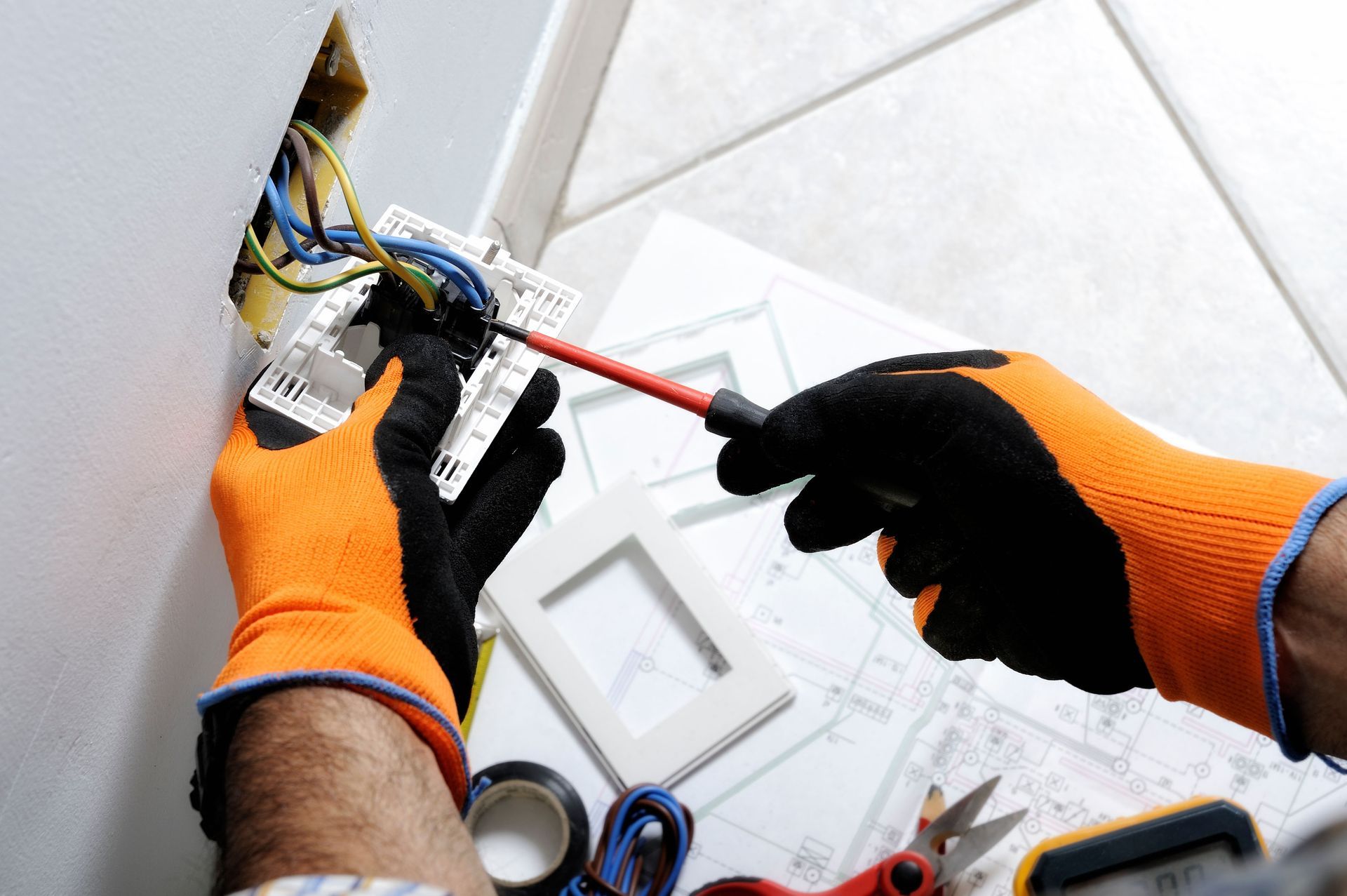
Many residential electrical problems stem from aging wiring, overloaded circuits, or outdated panels that no longer support modern energy demands. Improper grounding and insufficient capacity can place strain on electrical components, increasing the risk of malfunctions. These issues often go unnoticed until a system failure occurs. Routine assessments performed by licensed professionals help identify concerns early, allowing corrective action before safety is compromised.
Staying Current With Electrical Code Updates
Electrical standards evolve alongside advances in technology, energy efficiency, and equipment design. Updates often address new safety concerns related to generator installation, EV charging stations, and data wiring infrastructure. Older systems may require modifications to remain compliant as regulations change. Ongoing awareness of code updates ensures that both new installations and existing systems continue to meet safety expectations and operational demands.
Supporting Safety Through Routine Electrical Inspections
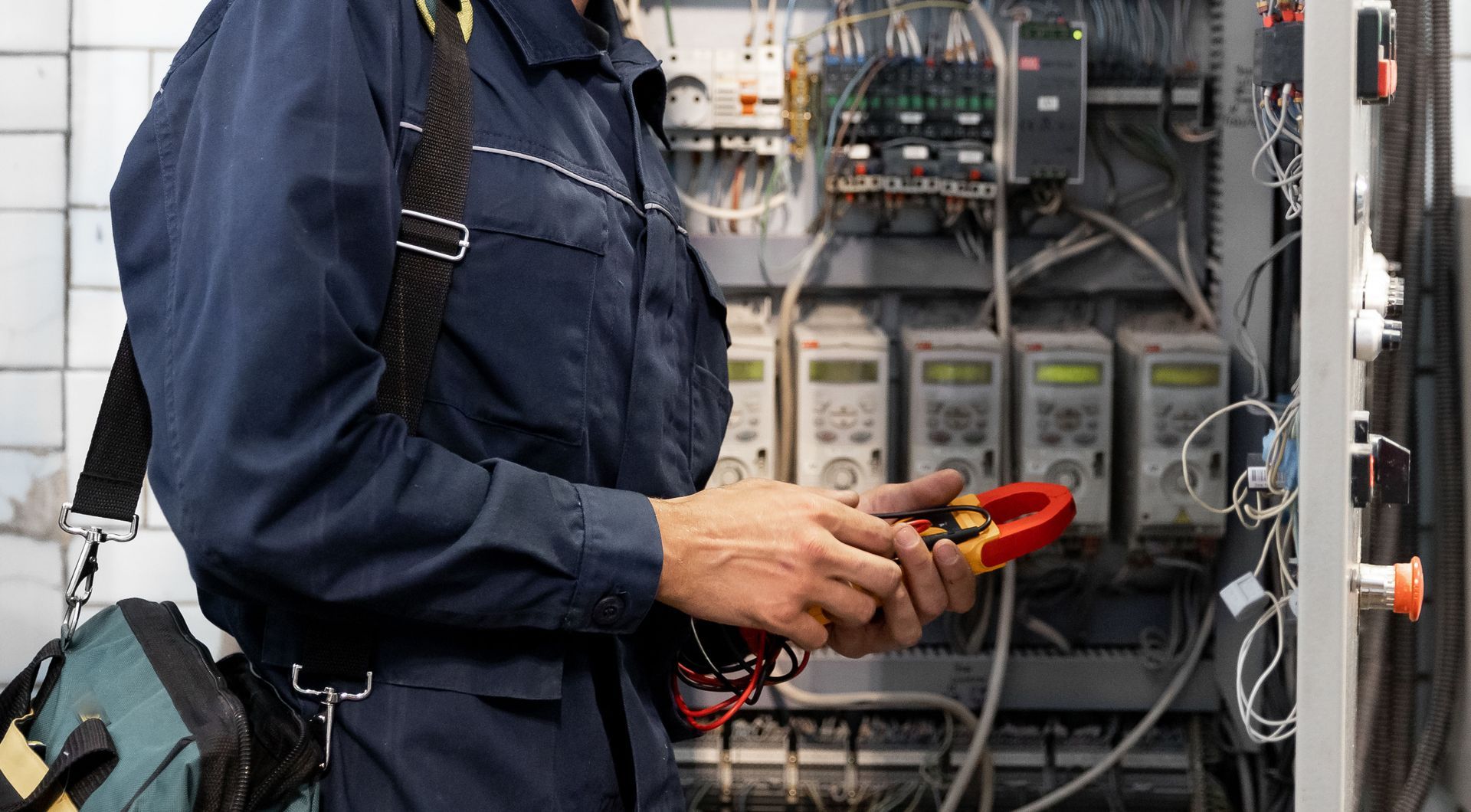
Regular inspections play a key role in maintaining safe and efficient electrical systems. These evaluations help uncover worn components, loose connections, and capacity issues that may affect performance. Electrical companies focused on preventive maintenance to support system longevity while minimizing the chance of unexpected disruptions. Consistent inspections are especially important in commercial and industrial environments where electrical demand remains high.
Preventing Hazards Through Proactive Electrical Maintenance
Preventive maintenance reduces the likelihood of electrical emergencies by addressing small issues before they escalate. Tasks such as testing breakers, verifying grounding, and confirming proper load distribution help protect systems from overheating and failure. Proactive electrical services also support energy efficiency by ensuring equipment operates as intended without unnecessary strain. This approach enhances safety while supporting long-term cost control.
Resolving Wiring Issues to Maintain System Stability
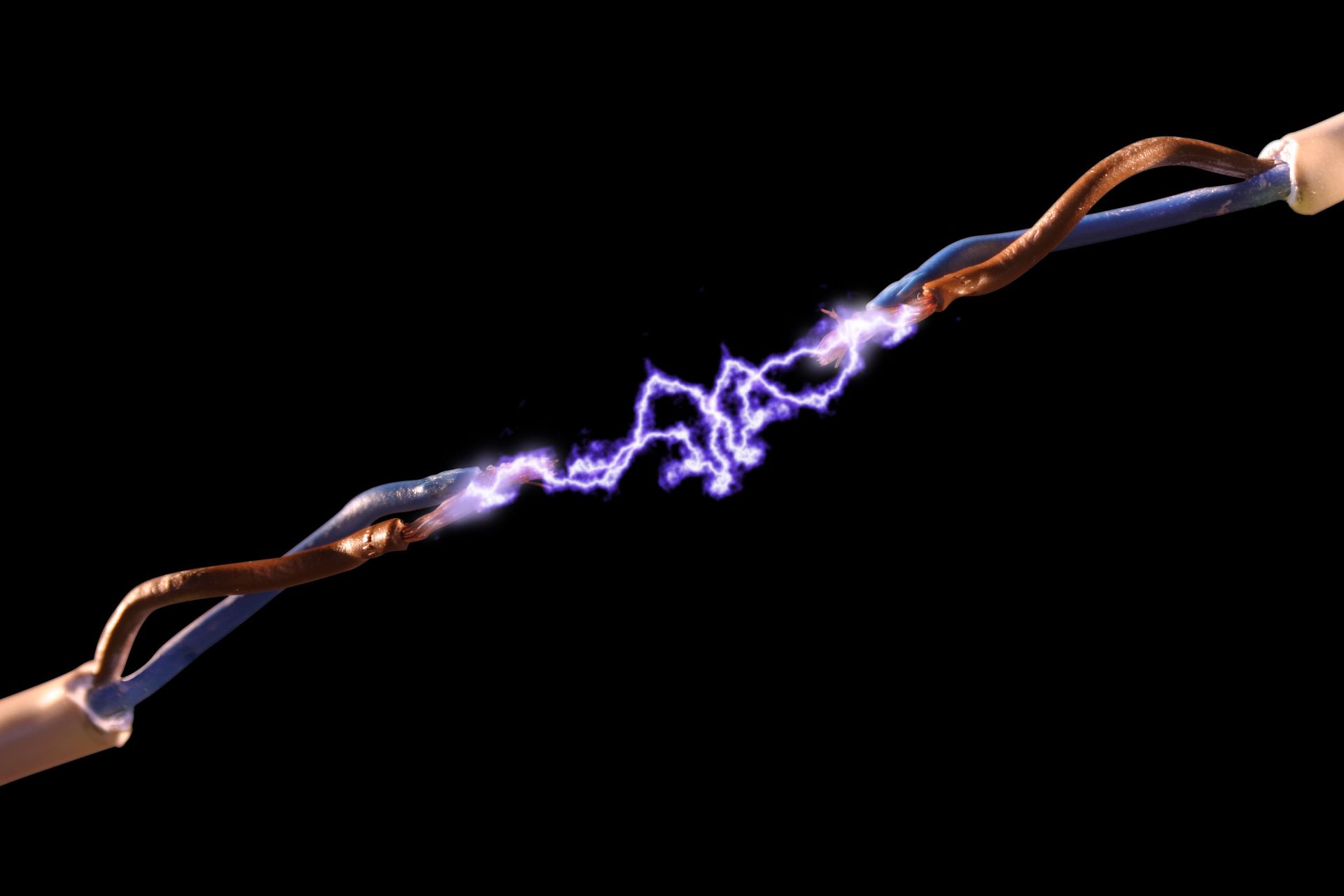
Faulty wiring can undermine the safety of any electrical system, regardless of property size or use. Damaged insulation, loose conductors, or outdated materials increase the risk of arcing and power interruptions. Professional diagnostics allow electricians to locate the source of these issues and implement targeted solutions. Addressing wiring concerns promptly helps maintain consistent performance and protects connected equipment.
Improving Safety Through Electrical System Upgrades
As energy demands grow, older electrical systems may struggle to keep pace. Upgrades improve capacity, enhance protection features, and align systems with current safety standards. Modern components help reduce the likelihood of overloads while supporting advanced technologies such as EV charging stations and backup generators. Electrical services that focus on system improvements help properties remain functional and safe as needs evolve.
Ensuring Proper Installation Techniques Are Followed
Correct installation techniques are essential for achieving both safety and compliance. Every component, from panels to outlets, must be installed according to code requirements and manufacturer guidelines. Precision during installation reduces the risk of premature wear, system imbalance, and safety hazards. Professional electrical services ensure installations support reliable operation across residential, commercial, and industrial environments.
Selecting Electrical Products That Support Efficiency
The quality of electrical components directly impacts performance and safety. Approved products designed for durability and efficiency help reduce energy loss and equipment stress. Selecting appropriate materials also supports long-term reliability across lighting systems, generators, and data wiring applications. Guidance from qualified professionals ensures product choices align with system demands and safety expectations.
Understanding the Role of Grounding in Electrical Safety
Grounding provides a controlled path for excess electrical current, helping prevent shocks and equipment damage. Without proper grounding, electrical faults can pose serious risks to occupants and infrastructure. Verifying that grounding systems meet code requirements is a fundamental part of maintaining safe operations. Electrical services that include grounding assessments help safeguard properties from avoidable hazards.
Protecting Systems Through Surge Protection Measures
Power surges can occur without warning and may damage sensitive equipment or disrupt operations. Surge protection devices help shield electrical systems from voltage spikes caused by external or internal sources. Whole-system protection supports long-term reliability while reducing repair costs. Integrating surge protection enhances resilience across residential, commercial, and industrial installations.
Maintaining Compliance During Installations and Renovations
Electrical compliance is especially important during new construction and renovation projects. Existing systems may need evaluation to ensure compatibility with updated components and increased demand. Licensed professionals manage these transitions while ensuring installations meet current codes. Compliance during renovations helps protect property value and occupant safety.
Integrating Energy Efficiency Into Electrical Planning
Energy-efficient electrical design reduces consumption while supporting consistent performance. Thoughtful planning considers lighting, load distribution, and system layout to minimize waste. Electrical companies that emphasize efficiency contribute to lower operating costs and reduced environmental impact. These considerations benefit both residential and commercial properties.
Upgrading Existing Systems to Improve Efficiency
Retrofitting older systems allows properties to benefit from modern efficiency standards without full replacement. Improvements may include updated panels, optimized wiring, and enhanced controls. These upgrades support safer operation while helping manage long-term energy expenses. Professional oversight ensures retrofits align with current codes and system requirements.
Incorporating Smart Technologies Into Electrical Systems
Smart technologies allow for improved monitoring and control of energy use. When integrated properly, these systems support efficiency without compromising safety. Installation requires careful coordination with existing infrastructure to ensure compatibility. Electrical services that include smart system integration help properties adapt to modern usage patterns.
Evaluating the Financial Impact of Electrical Improvements
Understanding costs associated with electrical projects helps property owners plan effectively. While upgrades and maintenance require investment, they often result in long-term savings through reduced repairs and improved efficiency. Evaluating value alongside safety ensures informed decision-making. Professional insight supports balanced planning.
Exploring Incentives Related to Electrical Efficiency
Certain electrical upgrades may qualify for local or utility-based incentives. These programs can help offset costs associated with energy-efficient improvements. Understanding eligibility requirements helps maximize available benefits. Electrical professionals can help align project planning with applicable incentive opportunities.
Understanding Training and Licensing in Electrical Work
Electrical professionals undergo extensive training to ensure safe and compliant service delivery. Licensing verifies that individuals meet established standards for knowledge and skill. This accountability supports quality outcomes across residential, commercial, and industrial projects. Qualified providers help ensure work meets both regulatory and safety expectations.
Planning Financially for Ongoing Electrical Maintenance
Allocating resources for regular electrical maintenance supports long-term system performance. Routine care helps prevent costly failures while maintaining compliance. Budget planning ensures inspections and updates are completed consistently. This proactive approach strengthens reliability and safety over time.
Electrical services are essential for maintaining compliance, protecting occupants, and supporting modern energy demands. From inspections and upgrades to installations and efficiency planning, professional oversight helps reduce risk while enhancing performance. When reliable electrical systems matter most, working with experienced professionals makes a measurable difference. If assistance is needed for residential, commercial, or industrial electrical solutions, we encourage reaching out to Apollo Electric to discuss how our team can support safer, code-compliant electrical systems.
Share On: