How Commercial Electricians Keep Operations Running
In the fast-paced world of commerce, keeping daily operations moving without interruption is essential for productivity, customer service, and profitability. Electrical systems power lighting, security equipment, computers, refrigeration, machinery, communication tools, and many other functions that businesses depend on every day. When those systems are not working properly, even a small issue can create delays, safety concerns, and unnecessary expenses. Commercial electricians help prevent those problems by installing, servicing, repairing, and improving the electrical infrastructure that supports modern workplaces. Their work often happens behind the scenes, yet it has a direct effect on efficiency, safety, and long-term business performance.
Understanding the Scope of Commercial Electrical Work
Commercial electricians handle a wide range of responsibilities in properties such as offices, restaurants, warehouses, retail stores, health care facilities, and manufacturing sites. Their duties may include installing wiring, upgrading panels, connecting specialized equipment, testing systems, replacing damaged components, and identifying hidden faults before they grow into larger disruptions. Because commercial properties often have more demanding energy needs than residential spaces, the work requires attention to complex layouts, heavier loads, and more advanced distribution systems. These professionals are expected to understand how each part of the electrical network supports the larger operation of the business. That broad knowledge allows them to deliver solutions that are practical, safe, and built for long-term reliability.
Training, Expertise, and Technical Knowledge
The work performed in commercial settings calls for specialized training and a strong technical foundation. Electricians in this field usually complete formal instruction, hands-on apprenticeships, and licensing requirements before they are trusted with major projects. They learn how to interpret blueprints, apply electrical theory, follow code requirements, and use diagnostic tools with precision. Ongoing education is also important because commercial buildings continue to adopt newer technologies that demand updated knowledge. From advanced control systems to energy-saving upgrades, the field keeps changing, and skilled professionals must change with it. That continued development is one reason businesses rely on experienced electrical specialists when the performance of critical systems is on the line.
Code Compliance and Safety Expectations
Safety and compliance are central to every commercial electrical job. Businesses cannot afford wiring issues, overloaded circuits, or installations that fail inspections and place employees or customers at risk. Electricians working in commercial environments must follow applicable codes, permit requirements, and safety rules that govern how systems are installed and maintained. These standards help reduce the likelihood of fire, shock hazards, damaged equipment, and legal complications. Careful compliance also protects owners from avoidable costs linked to failed inspections, insurance concerns, or liability problems. By approaching every project with code knowledge and attention to detail, electrical professionals help create spaces that are both functional and secure.
Why Commercial Properties Require a Different Approach
Commercial systems differ significantly from residential ones, and that difference affects everything from design to maintenance. Business properties typically use higher-capacity service, more complicated wiring paths, larger panels, and equipment that may run for extended hours or even around the clock. In some settings, electrical systems also support elevators, data rooms, commercial kitchens, production lines, or climate control systems that are essential to daily operations. Because of these demands, troubleshooting and service work often require a deeper level of planning and technical understanding. Businesses depend on commercial electricians because they know how to work within these more advanced environments without compromising safety or efficiency.
The Value of Routine Maintenance and Inspections
Routine maintenance is one of the most effective ways to avoid unexpected outages and expensive repairs. Regular inspections allow electricians to identify worn wiring, aging breakers, loose connections, overloaded circuits, and other warning signs before they lead to failure. In a commercial environment, a single electrical problem can interrupt sales, halt production, or affect customer confidence, so early detection matters. According to Generac Power Systems, over 60% of U.S. power outages are caused by severe weather conditions, fueling the demand for home standby generators. While this statistic highlights residential needs, it also underscores how vulnerable electrical systems can be overall and why businesses benefit from proactive maintenance strategies that reduce downtime risks. Preventive service keeps systems running more smoothly and helps equipment perform as expected over time. It also gives businesses a clearer understanding of their infrastructure and what upgrades may soon be necessary. Instead of waiting for a major issue, a proactive maintenance plan helps reduce surprises and supports better planning.
Key Systems That Need Ongoing Attention
Within commercial buildings, certain systems deserve regular review because they have such a large impact on operations. Lighting systems affect visibility, comfort, presentation, and energy use. HVAC controls support indoor comfort and can influence productivity, storage conditions, and customer experience. Equipment circuits, emergency lighting, signage, data connections, and security systems all depend on consistent electrical performance as well. If one of these areas begins to fail, the effects can spread quickly through the business. Maintenance strategies are most effective when they focus on the systems that matter most to daily activity. Careful planning allows electrical teams to prioritize those areas and schedule service with minimal disruption.
Troubleshooting Problems Before They Escalate
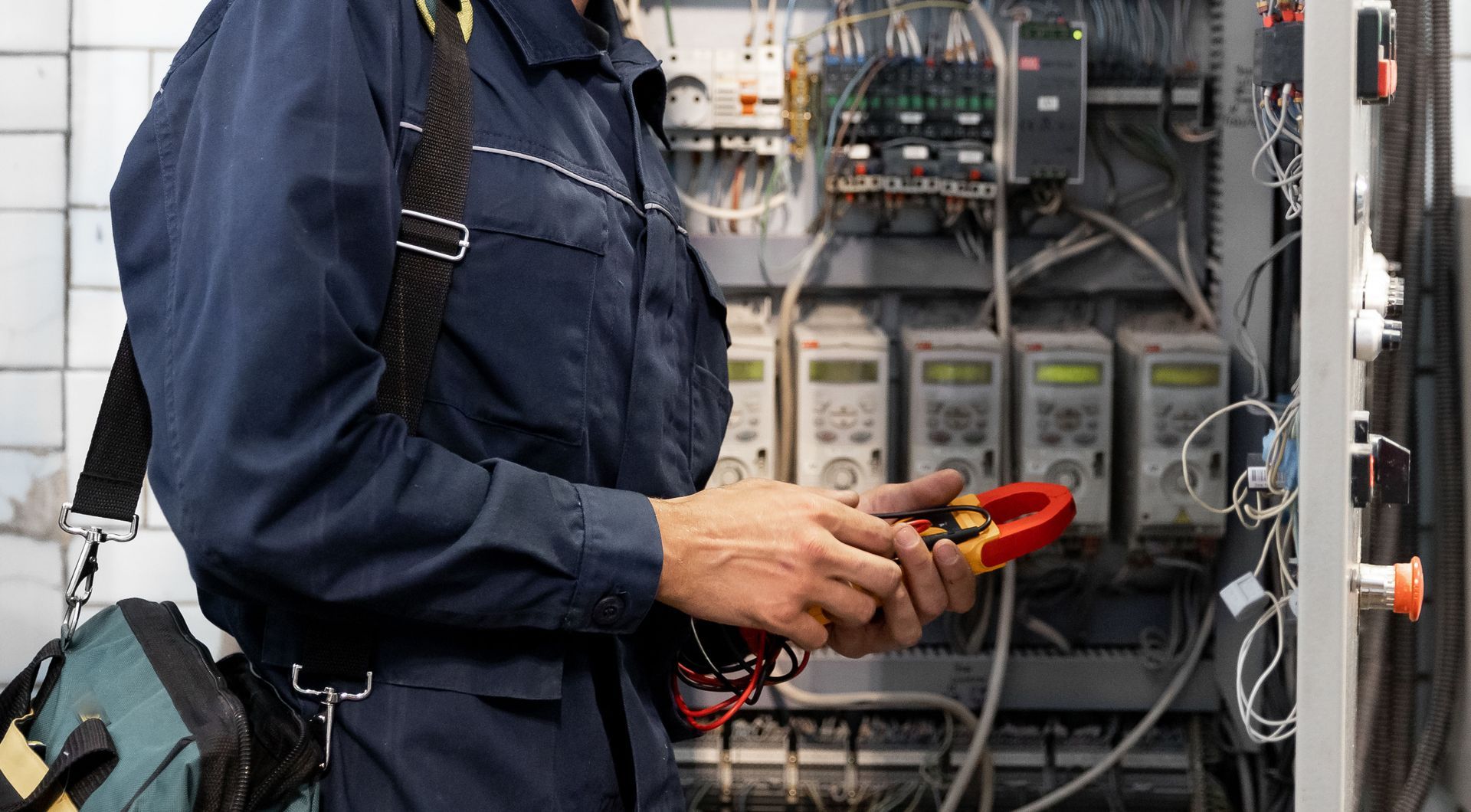
When electrical issues do appear, fast and accurate troubleshooting is essential. Problems in commercial spaces can include tripped breakers, flickering lights, inconsistent power, overheating components, malfunctioning outlets, and unexplained equipment shutdowns. These symptoms may seem minor at first, but they can signal deeper issues that affect system stability and safety. Experienced electricians use testing equipment and step-by-step diagnostic methods to isolate the source of the problem rather than guessing at a solution. This approach saves time and reduces the risk of repeated failures. In many businesses, quick diagnosis means the difference between a small service call and a prolonged interruption that affects employees, customers, and revenue.
Repair Work That Supports Business Continuity
Once a problem is identified, repair work must be completed in a way that restores function while protecting the integrity of the entire system. Reliable repairs involve more than simply replacing a failed part. They require an understanding of why the issue happened, whether related components have also been affected, and what can be done to reduce the chance of recurrence. In many cases, commercial electricians must work around operating schedules, safety requirements, and equipment sensitivity while completing the repair. Their ability to balance urgency with precision helps businesses return to normal operations with confidence. Good repair practices also include proper documentation, which can be useful for future maintenance and compliance records.
Upgrading Systems for Growth and Efficiency
Businesses often outgrow older electrical systems as they add new equipment, increase staffing, expand production, or modernize their operations. Upgrades may be needed to support additional load demands, improve energy efficiency, or integrate new technologies more effectively. These projects can involve panel replacements, improved lighting design, equipment connections, backup power preparation, or reconfigured layouts that better fit current use. Well-planned upgrades do more than solve immediate issues. They prepare the property for future growth and reduce the likelihood that outdated infrastructure will hold the business back. By evaluating current performance and recommending improvements, commercial electricians help companies make practical investments in long-term operational strength.
As business environments become more connected, automated, and energy conscious, the need for dependable electrical expertise will continue to grow. Electrical systems are no longer limited to simple lighting and outlet access. They now support technology, communication, production, climate control, security, and efficiency goals that shape how organizations function each day. Commercial electricians remain essential because they help businesses maintain stability, respond to problems, improve performance, and prepare for future demands. Their work protects infrastructure that companies rely on every hour of the day. In a competitive commercial environment, that support can make a meaningful difference in continuity, safety, and long-term success. Contact Apollo Electric today and learn more about our electrician services
Share On: